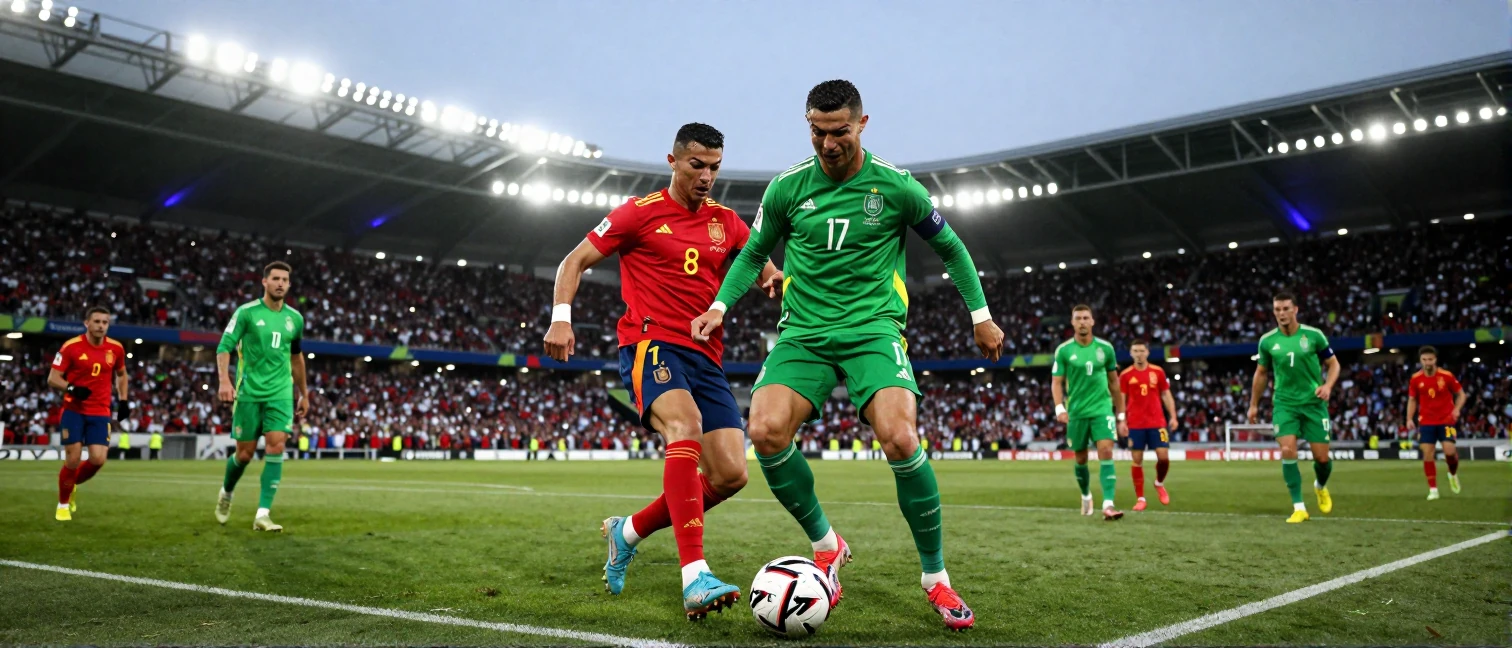
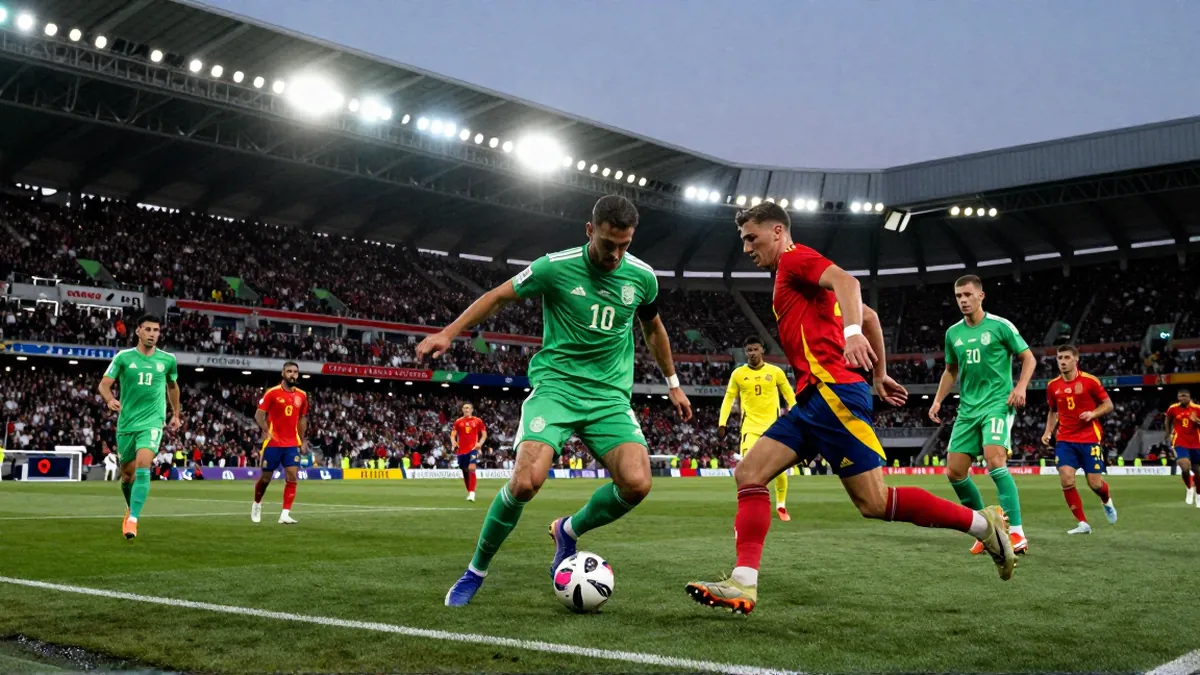
Portugal's national team saw its 2026 World Cup campaign end in extra time against Spain, when Mikel Merino scored the only goal to seal a 1‑0 defeat.
How did the match unfold?
Portugal started by pressing, but Spain's defence stayed organized. In the 39th minute of the second half, Merino came on and, six minutes later, received a pass from Diogo Costa and, with a subtle touch, tucked the ball into the net. The goal turned out to be the final act of Cristiano Ronaldo's last World Cup appearance, closing his 2026 chapter.
Why was the elimination surprising?
Many expected Ronaldo's experience and João Félix's creativity to force a draw. However, the lack of link‑up between Portugal's midfield and attack left the side exposed. While João Cancelo and Ronaldo created chances, the defence slipped at crucial moments, allowing Merino space to strike.
What does this mean for Portugal?
The early exit highlights the need for renewal. Rodrigo Caetano, CBF's football director, confirmed Ancelotti will stay until the 2030 World Cup, signalling a long‑term plan. Meanwhile, the squad returns to training with an eye on the next friendly against Wales on 24 September 2026 at home.
How has the team been performing lately?
In their last five matches, Portugal posted 3 wins and 2 draws, maintaining a two‑game winning streak. The most recent result was a 2‑1 victory over Croatia on 2 July 2026, showing offensive strength, though defensive tweaks are still required.
What are the next steps?
With the elimination, focus shifts to tactical rebuilding and integrating young talents like Vitinha and João Neves, who have yet to replicate club form. The upcoming fixture against Wales will test new setups before the qualification phase for the 2030 World Cup begins.
Mikel Merino was the scorer who ended Ronaldo's World Cup era, while Portugal looks to reinvent itself under Ancelotti, aiming for a brighter future.