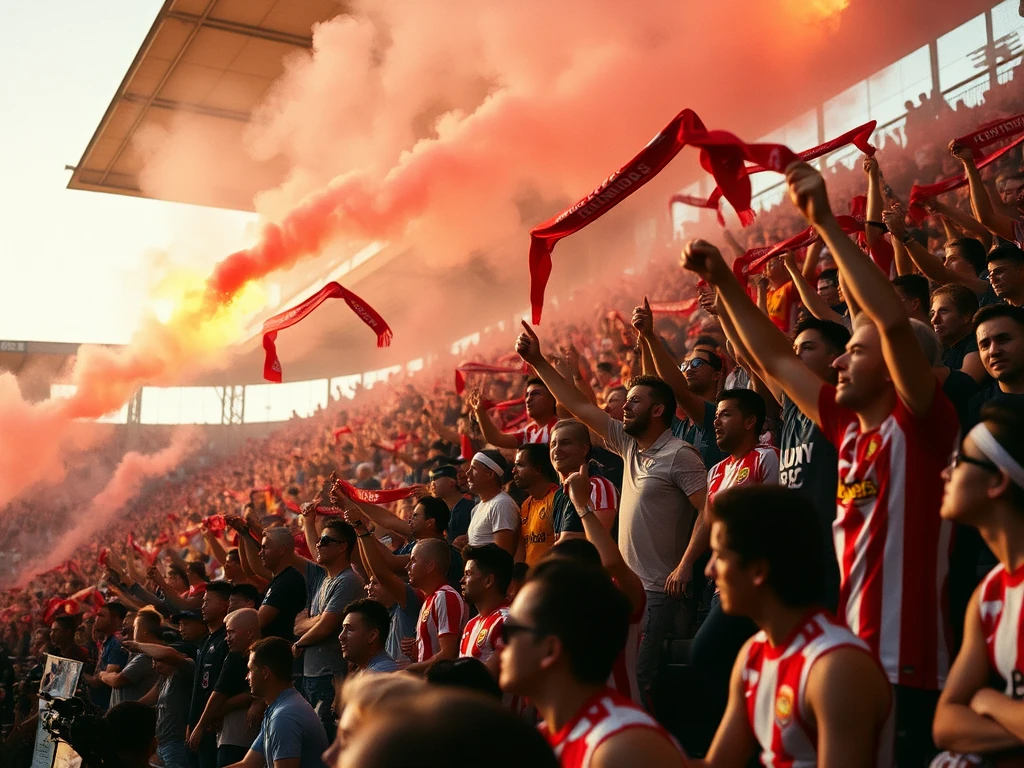

Euro 2004, held in Portugal, is often remembered as a turning point in the history of Portuguese football. The Seleção das Quinas, under the leadership of the experienced Luiz Felipe Scolari, presented a style of play that combined technique, strength, and innovative tactics that challenged the conventions of European football at the time.
Before this tournament, the national team struggled to establish itself as a power on the international scene. However, Scolari brought a new approach, emphasizing the importance of group cohesion and collective play. His tactical choices and how he managed to unite a group of talented players like Luís Figo, Rui Costa, and the young Cristiano Ronaldo were crucial to the team's success.
Portugal's style of play during Euro 2004 was characterized by a fluid 4-3-3 formation that allowed for rapid transitions between defense and attack. The team was dynamic, with players knowing how to occupy spaces and create opportunities. Scolari's ability to adapt the game strategy to maximize each player's potential was one of the selection's great assets. The famous 'total football' he implemented made opponents fear facing the Seleção das Quinas.
The group stage began with a victory over Greece, but the real test came in the knockout rounds. The victory in the quarter-finals against England, in a memorable match decided by penalties, solidified Portugal's position as a force to be reckoned with. The players showed impressive resilience, and the defense, led by Ricardo Carvalho and Jorge Andrade, proved to be impenetrable.
However, the final of the tournament, held at the Estádio da Luz in Lisbon against the same Greece that Portugal had faced in the group stage, was a moment of bitter disappointment. Despite being considered the favorites, the Seleção das Quinas could not capitalize on their opportunities, and Greece clinched the title with a solitary goal. This defeat did not erase the revolution that Scolari had begun in Portuguese football; rather, it served as a catalyst for the team to become a powerhouse on the world football stage.
Euro 2004 was not just a tournament but a milestone that inspired generations of players and football enthusiasts in Portugal. The Seleção das Quinas learned the importance of unity, tactical preparation, and a winning mentality. The legacy of 2004 still resonates in current competitions, and it is a constant reminder that, even in adversity, Portugal can rise as a formidable force in world football.