
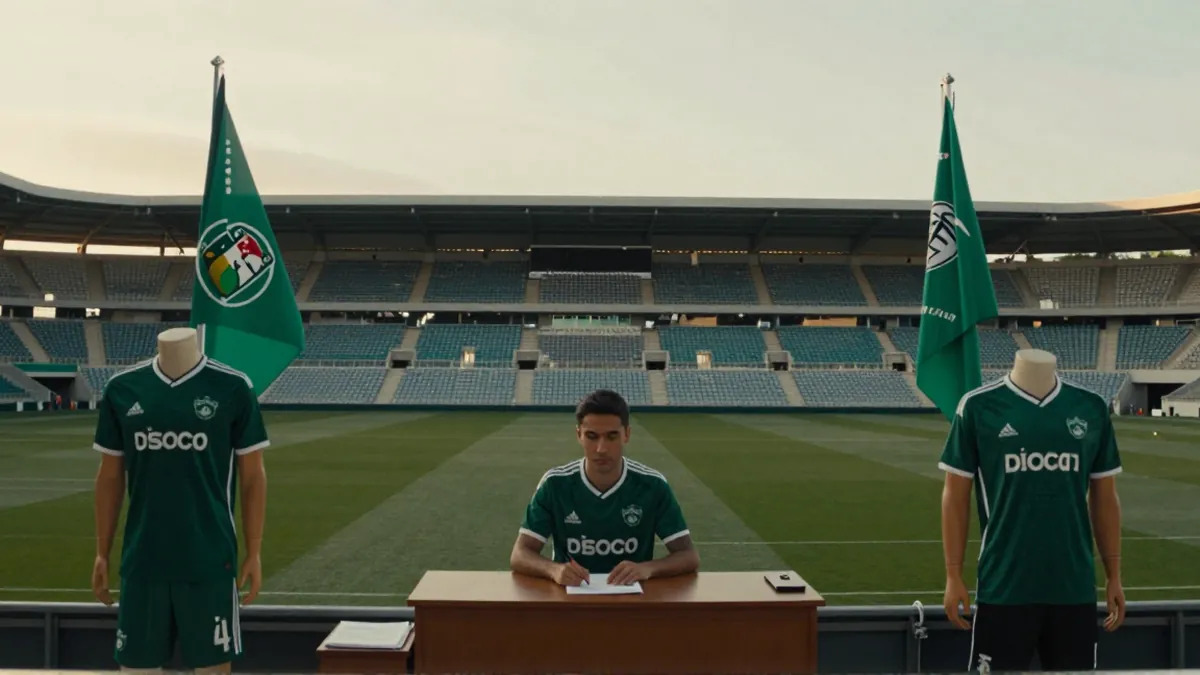
Portugal centralizes football audiovisual rights
The approval of the centralization of audiovisual rights of the Portuguese football is a significant institutional milestone in the process of reforming the economic governance of the sector. This process is part of the implementation of the centralized commercialization model provided for by Decree-Law n.º 22-B/2021, which established the obligation of joint negotiation of audiovisual rights of professional competitions, with entry into force until the 2028/29 sports season.
The measure aims to replace the historically established model of individual negotiation of transmission rights by clubs, approximating the Portuguese system to the practices adopted in various European reference championships. The decision to approve the key to the distribution of future revenues represents the concretization of a fundamental stage of the reform.
Recently, Portugal faced Spain and lost by 1-0 (2026-07-06). The team is still seeking improvements for the next season. The next match of Portugal will be against Wales, on September 24, at home.
The centralization of audiovisual rights is based on the premise that collective commercialization of sports content allows for an increase in the negotiating power of the competition as a single economic product, potentially maximizing global revenues generated in the audiovisual market. Specialized literature on sports economics has demonstrated that centralized models tend to produce economic efficiency gains, greater financial predictability, and more effective mechanisms for redistributing resources among participants, contributing simultaneously to the preservation of competitive balance in competitions.
The proposal approved by the LPFP establishes that 90% of the liquid revenues obtained through centralized commercialization be attributed to the clubs of the Primeira Liga, while the remaining 10% be allocated to the clubs of the Liga Portugal 2. This distribution reflects the recognition of the different capacity for generating economic value associated with the two competitive levels, while seeking to ensure a component of financial solidarity aimed at strengthening the sustainability of organizations competing in the second level of professional football.
In the context of the internal distribution of revenues of the Primeira Liga, the adopted model is structured around a set of criteria that aim to reconcile objectives of economic efficiency, sporting merit, and competitive balance. A first component corresponds to the equal distribution of a share of revenues among all participants, regardless of their economic size or competitive performance. This mechanism is based on the theory of competitive balance, according to which the unpredictability of results is a determining factor for the economic attractiveness of sports competitions.
Parallel to this, the majority of resources is allocated based on indicators of sporting merit. This model aims to promote the economic sustainability of Portuguese football and ensure a fair distribution of revenues among clubs.