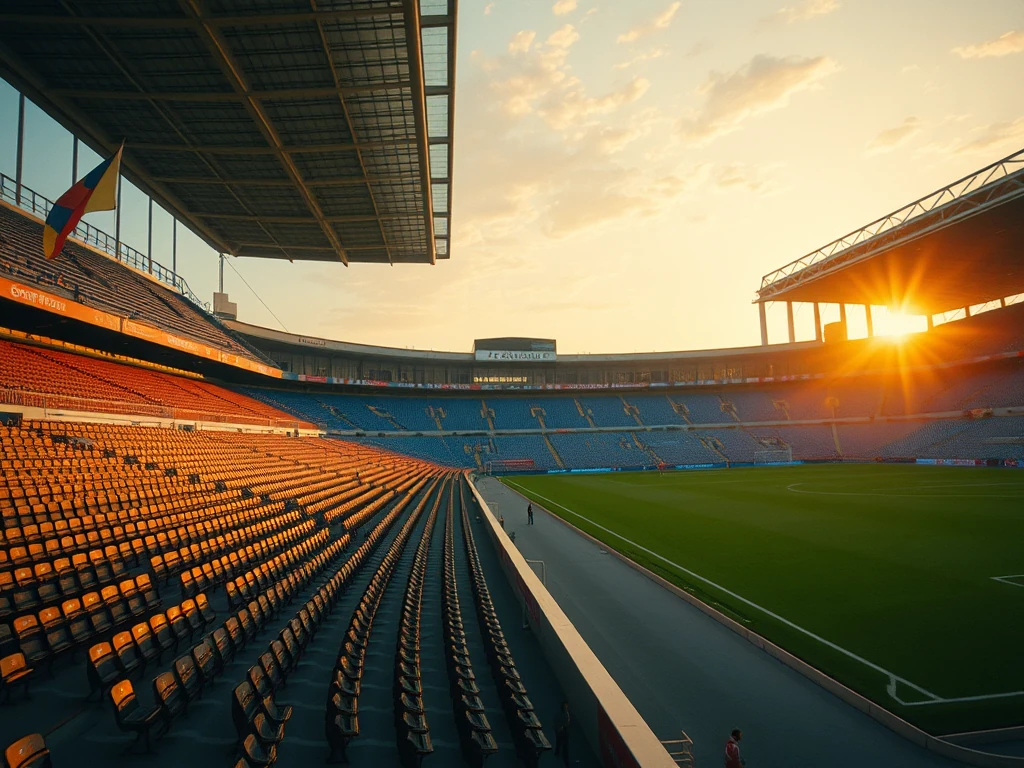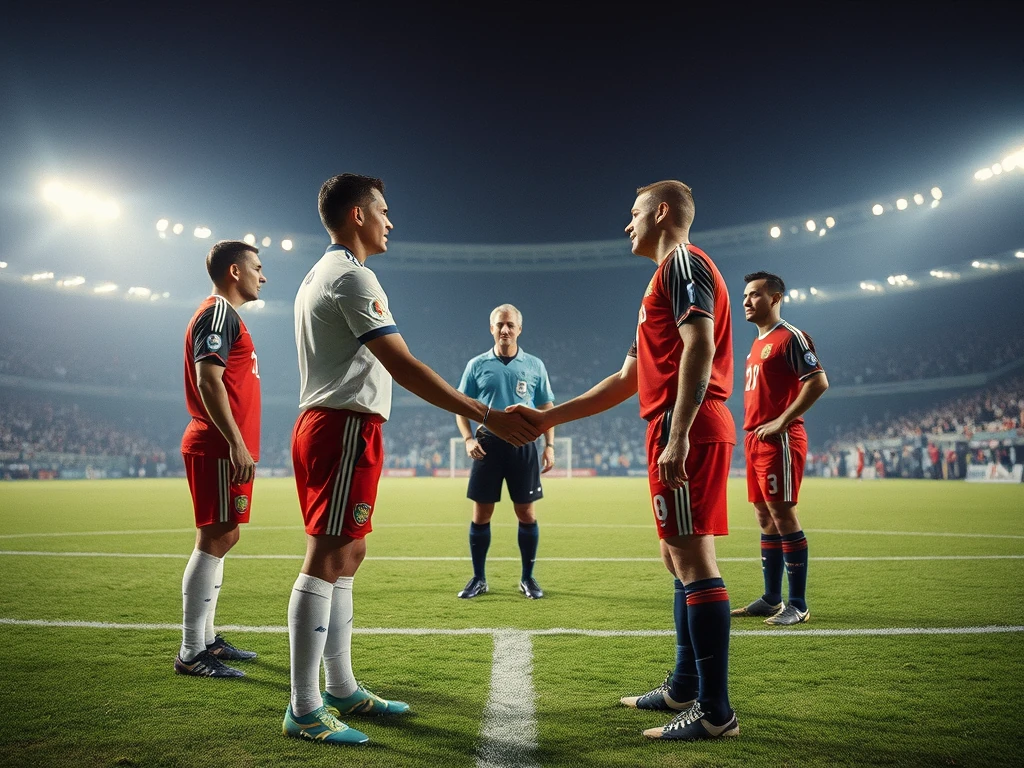
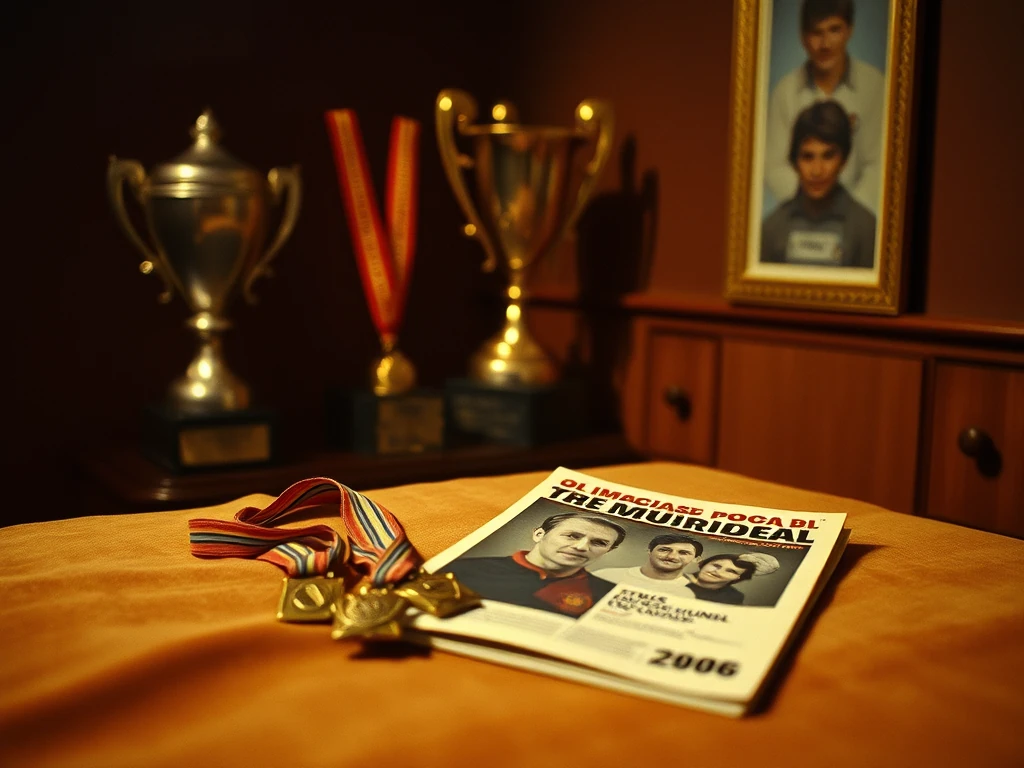
The 2006 World Cup in Germany remains etched in the collective memory of the Portuguese. A Seleção das Quinas, led by iconic figures such as Luís Figo and Cristiano Ronaldo, not only delighted fans with vibrant football but also united a nation around a common goal. The team's performance, culminating in an exhilarating semifinal against France, was not just a sporting triumph but a moment of rediscovery of Portuguese identity on the global stage.
One of the most powerful legacies of that World Cup edition was how the national team managed to transcend sporting boundaries. Football became a symbol of resilience and hope for many Portuguese, especially during a time when the country faced socioeconomic challenges. The victories and defeats on the pitch were felt as reflections of everyday struggles, creating a deep emotional bond between players and supporters.
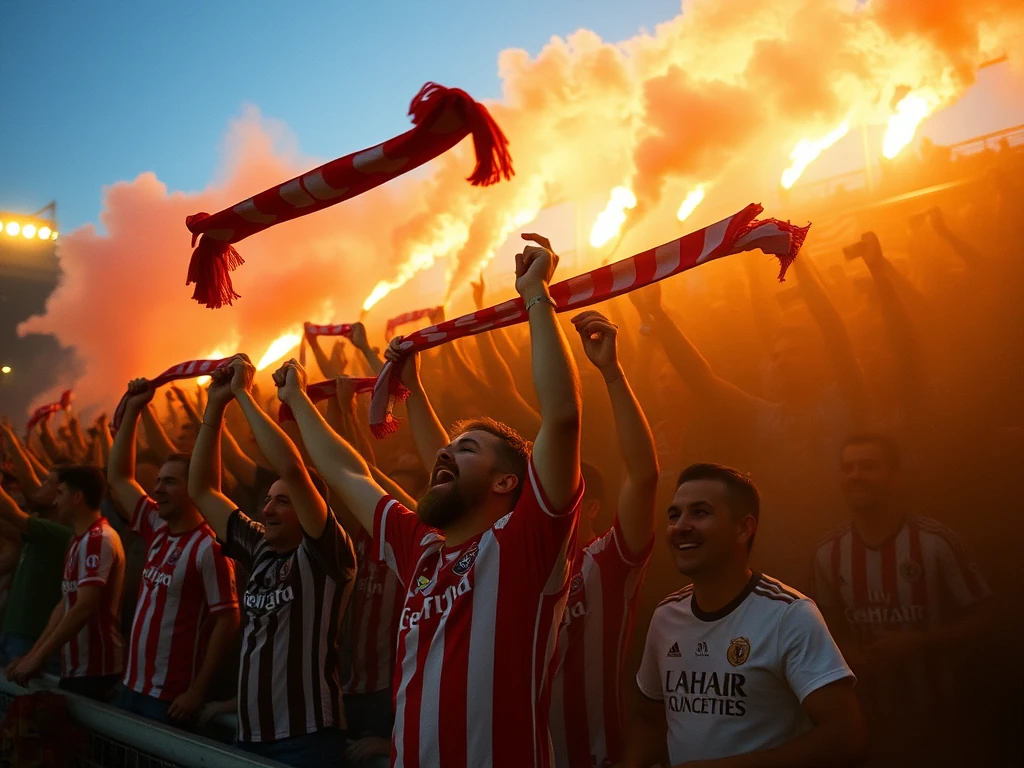
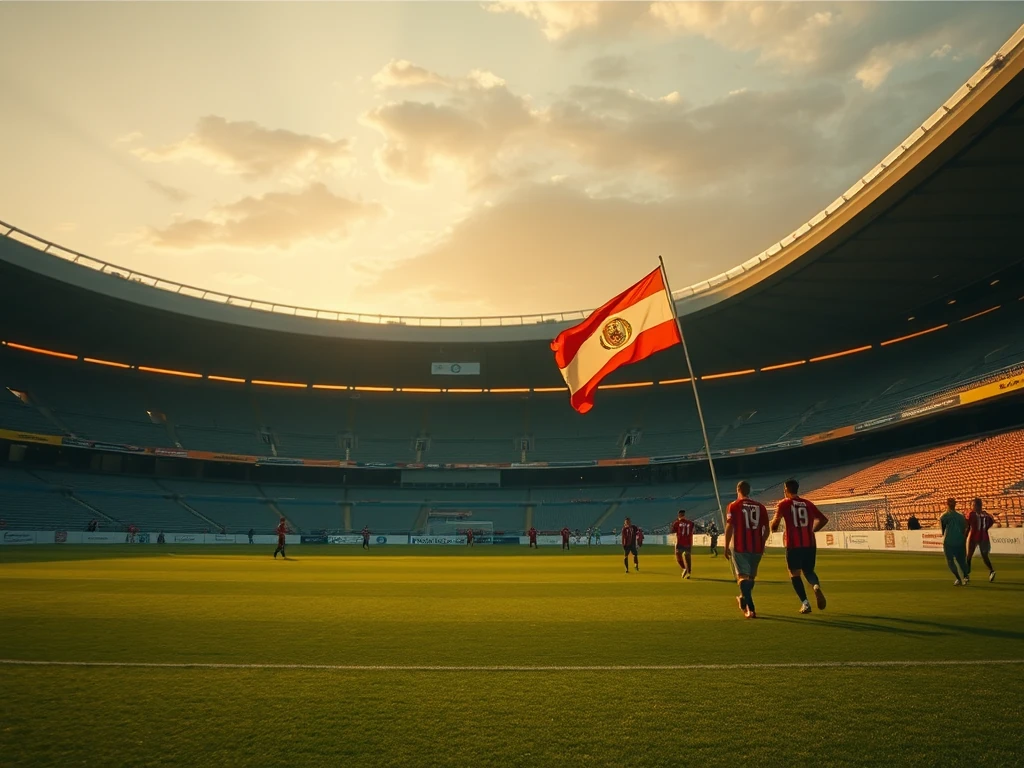
Additionally, the celebration of Portuguese culture during the tournament, from chants in the stadiums to parties in city squares, was an affirmation of national identity. The jersey of A Seleção das Quinas became an emblem of pride, and Portuguese flags were raised with a fervor rarely seen. This explosion of football patriotism helped solidify a sense of unity in a country that often felt fragmented.
The impact of the 2006 World Cup goes beyond statistics and memories of great plays; it reflects how the Portuguese see themselves and connect with their country. The tournament awakened a spirit of community and belonging, demonstrating that football can be a powerful force for social cohesion. This collective experience is one reason why the 2006 World Cup is often remembered as a turning point in the history of Portuguese football.
As we approach the 2026 World Cup, it is essential to remember this legacy and what A Seleção das Quinas represents to the Portuguese people. The lessons learned and the feelings stirred in 2006 continue to resonate, and the hope is that the team can evoke that same spirit of unity and passion in the upcoming competitions.