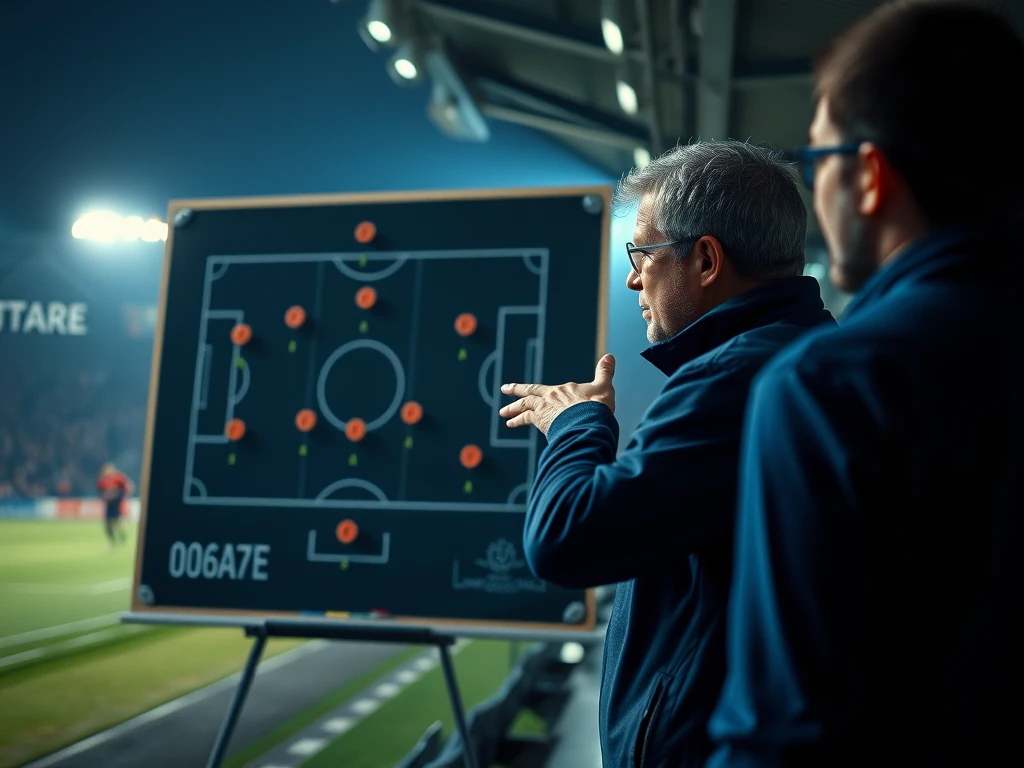

In recent matches, Portugal has displayed a playing style that combines ball possession with quick transitions, but some tactical flaws have emerged, particularly in defense and finishing. The 4-3-3 system adopted by Roberto Martínez has allowed the team to control the midfield, but it has also exposed vulnerabilities at moments of ball loss. The lack of a true defensive pivot capable of covering the back line has been a growing concern.
Defensively, a more robust approach could be implemented, perhaps considering the inclusion of a more defensive midfielder. A player like João Palhinha provides the ability to disrupt opposing attacks and offer more security to the center-backs. Moreover, adapting a three-center-back scheme in specific situations could provide more flexibility, especially against teams that play with an incisive attack.
Offensively, the team has shown creativity, but still lacks more effective finishing. The presence of a target man, like Gonçalo Ramos or even the inclusion of a more mobile forward, could diversify options in attack. Additionally, using wider wingers, such as Nuno Mendes and Bernardo Silva, can create more space and opportunities, allowing players like Bruno Fernandes to appear in scoring zones.
In transition, Portugal still needs to refine some aspects. The speed of play can be increased, especially during counter-attacks, where the team often hesitates to push forward. Introducing quicker vertical passes and block movements can surprise opposing defenses and create clearer goal-scoring situations.
Final thoughts: The balance between a solid defense and a fluid attack will be crucial for Portugal's success in World Cup 2026. With some small yet significant tactical changes, A Seleção das Quinas can not only compete but also stand out on the global stage. Continuous evolution and adaptation to the tournament's circumstances will be key to achieving desired goals.