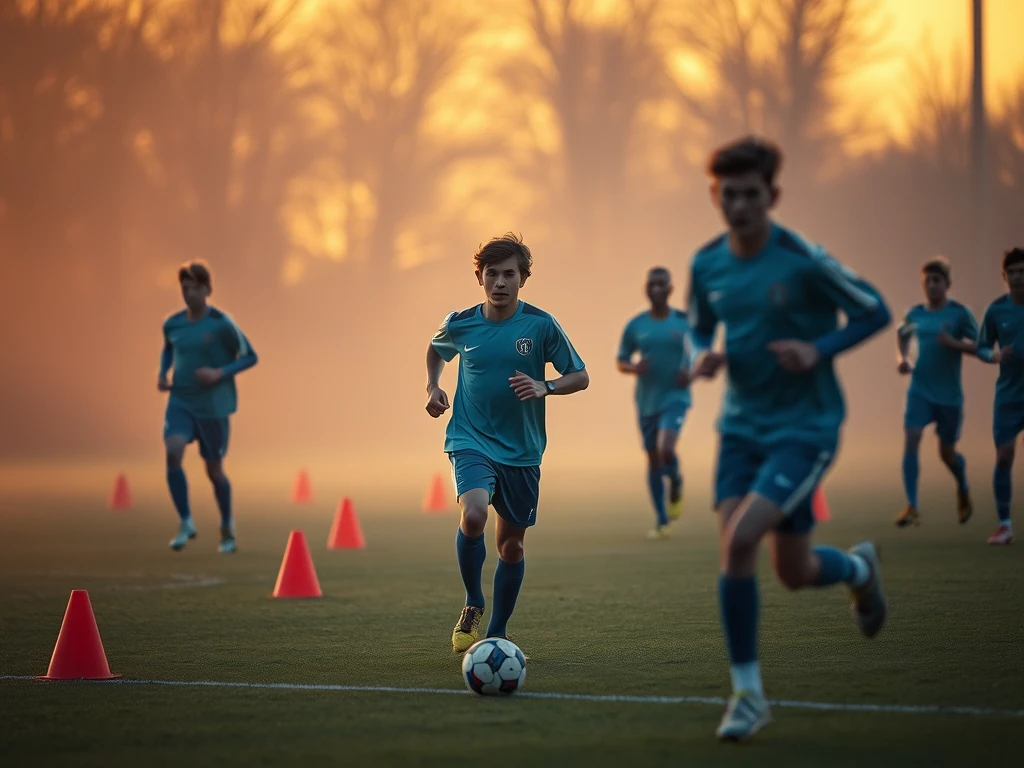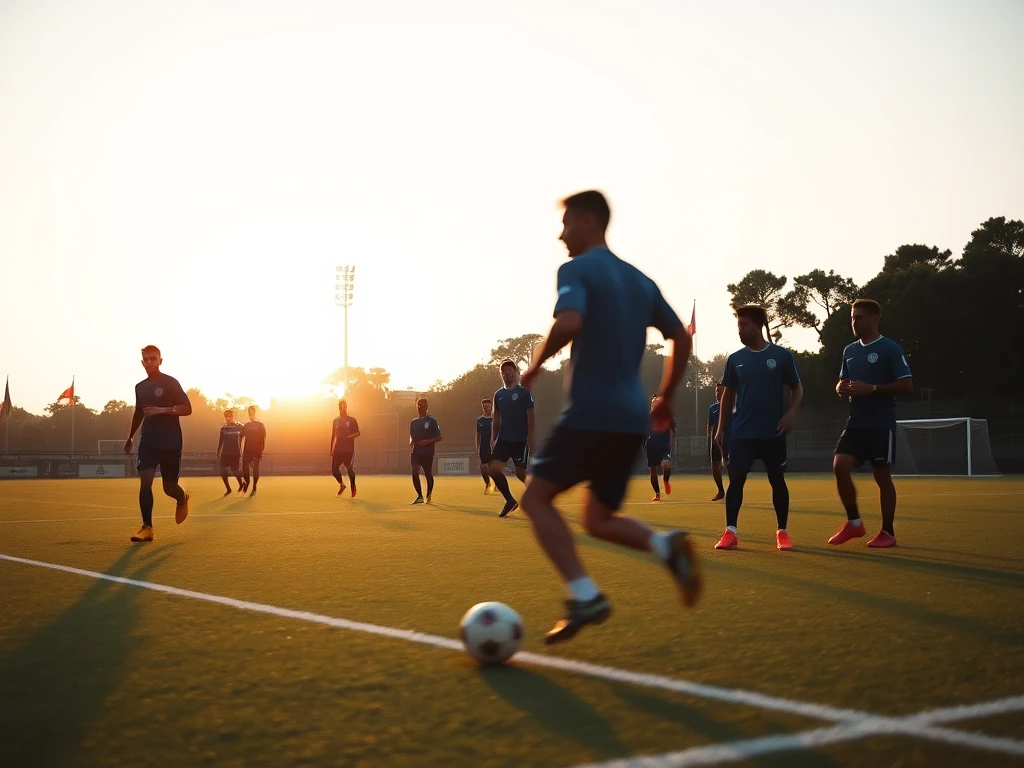
The culture of supporting A Seleção das Quinas is a rich tapestry of traditions intertwined with the history of football in Portugal. Each match of the national team is more than just a game; it is a celebration that unites supporters of all ages and backgrounds. From young fans shouting in the streets to older ones sharing stories of past glories, everyone has a part to play in this grand festivity.
One of the most emblematic rituals is the famous ‘Water Bottle,’ where supporters gather before matches to share a moment of communion. With a glass of water in hand, everyone makes a toast to victory, symbolizing the hope and unity that the team represents for the Portuguese people. This ritual, which began in small villages, now echoes in large cities like Lisbon and Porto, where crowds gather in squares and cafes, creating a vibrant and contagious atmosphere.
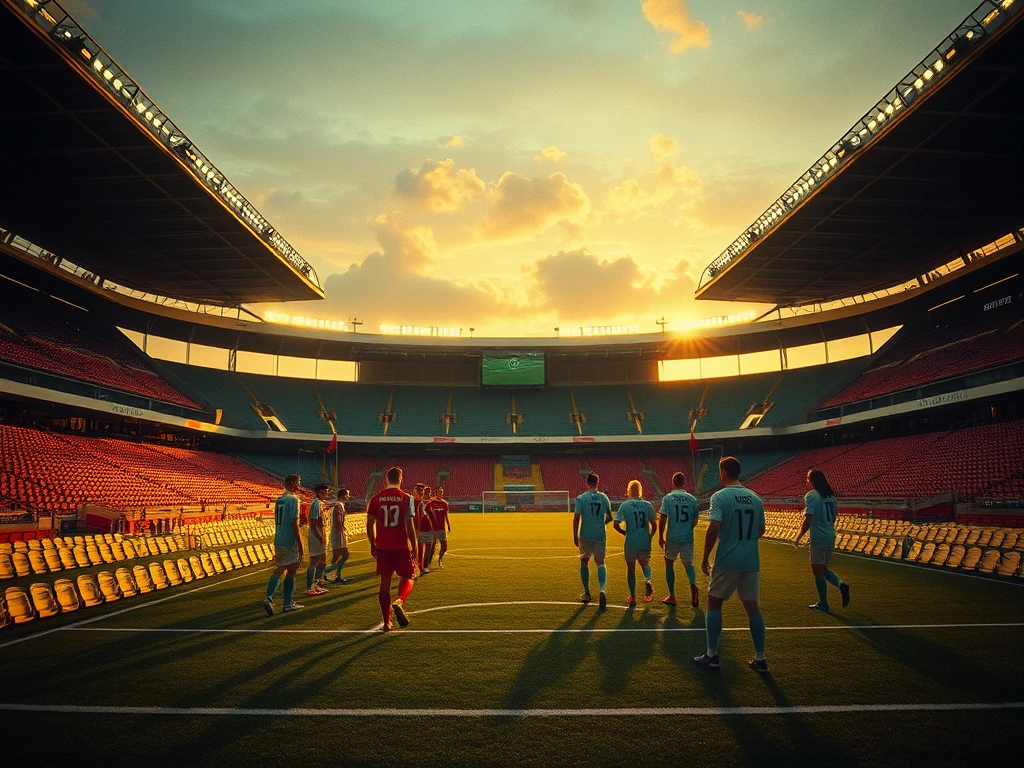
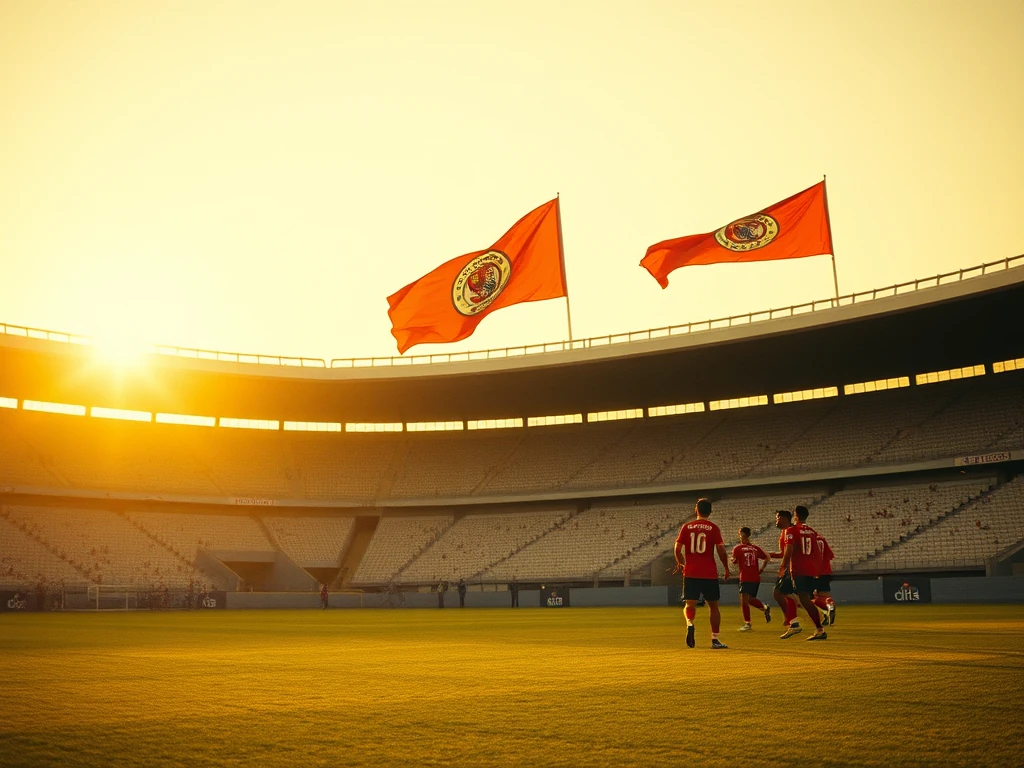
During matches, Estádio da Luz and Estádio Municipal de Braga transform into true football temples, where chants like ‘Portugal, Portugal!’ resonate in the stands. The symphony of voices creates an electrifying ambiance, making even the players feel the energy of the nation. The supporters’ choreographies and dances, often rehearsed, are a demonstration of creativity and passion, forming a spectacle that captivates those watching.
In derbies, the rivalry reaches its peak, and rituals intensify. Supporters proudly wear the national colors, painting their faces and waving flags. The atmosphere is charged with emotion, and every goal is celebrated as if it were a personal achievement. The exchange of chants between fan groups is a tradition that not only elevates rivalry but also strengthens camaraderie among fans.
Furthermore, the songs that become unofficial anthems of the national team are often adapted by supporters, creating personalized versions that reflect the passion and experiences of the fans. These songs, which resonate in the stands, often become more popular than the official ones, showcasing the creativity and love of supporters for the national team.
The rituals do not stop in the stands. After matches, it is common for supporters to gather in celebrations on the streets, with music, dancing, and even fireworks, creating a carnival that extends into the early hours of the morning. This festive spirit demonstrates how football is a vital part of Portuguese life, uniting people and cultures around a common passion.
As we approach the 2026 World Cup, these traditions and rituals are set to flourish even more. The supporters of A Seleção das Quinas will continue to show the world that football is much more than just a game; it is a celebration of Portuguese identity and culture, where every shout and every dance tells a story of love and hope for the national team.