 Portugal Hub
Portugal shows spark but still lacks joy
Portugal beat Croatia 2‑1 on July 2, 2026, yet the brilliance on the pitch didn’t translate into collective happiness. Coach Roberto Martínez said the side "could have done more," but the lack of enthusiasm was clear in the final minutes when the win was sealed.
What happened in the latest match?
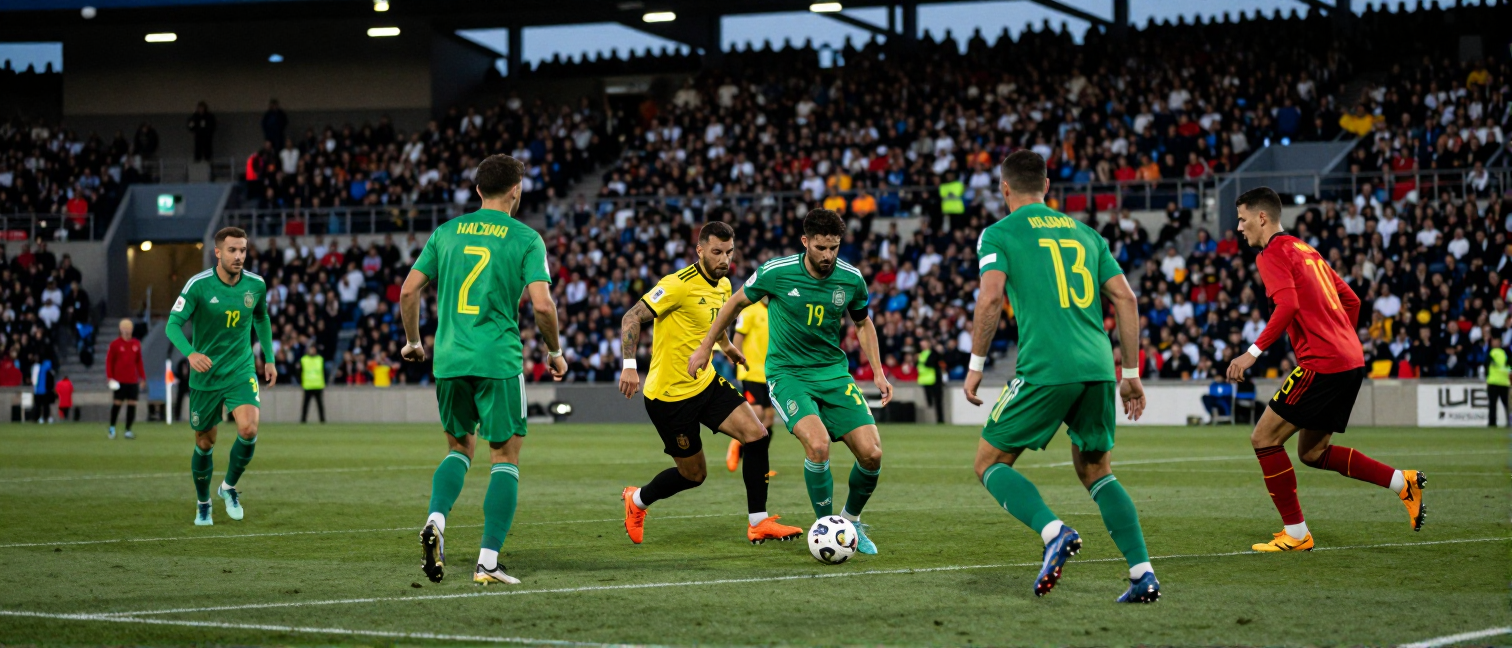
In the clash with Croatia, Cristiano Ronaldo scored at the 23rd minute, followed by a João Félix strike at the 57th. Croatia pulled one back at the 78th, but Portugal held on. Despite the win, the squad finished with few smiles and little celebration, indicating internal tension that remains unresolved.
Why is joy still missing?
Martínez noted that the pressure of the World Cup 2026 group stage has made players more cautious. The recent form – three wins and two draws (WWDWD) – shows consistency but also a pattern of conservative play. A lack of creativity in midfield, especially during offensive transitions, has limited scoring chances and, consequently, the euphoria that follows a clear victory.
What does this mean for Portugal’s future?
With the next fixture scheduled against Wales at home on September 24, 2026, the team has a chance to reverse the feeling of monotony. A bolder performance could restore confidence among fans and the players themselves. Meanwhile, the federation is watching the progress of young talents like Gonçalo Ramos, who has been called up as an alternative to the traditional attack.
How can Portugal regain joy?
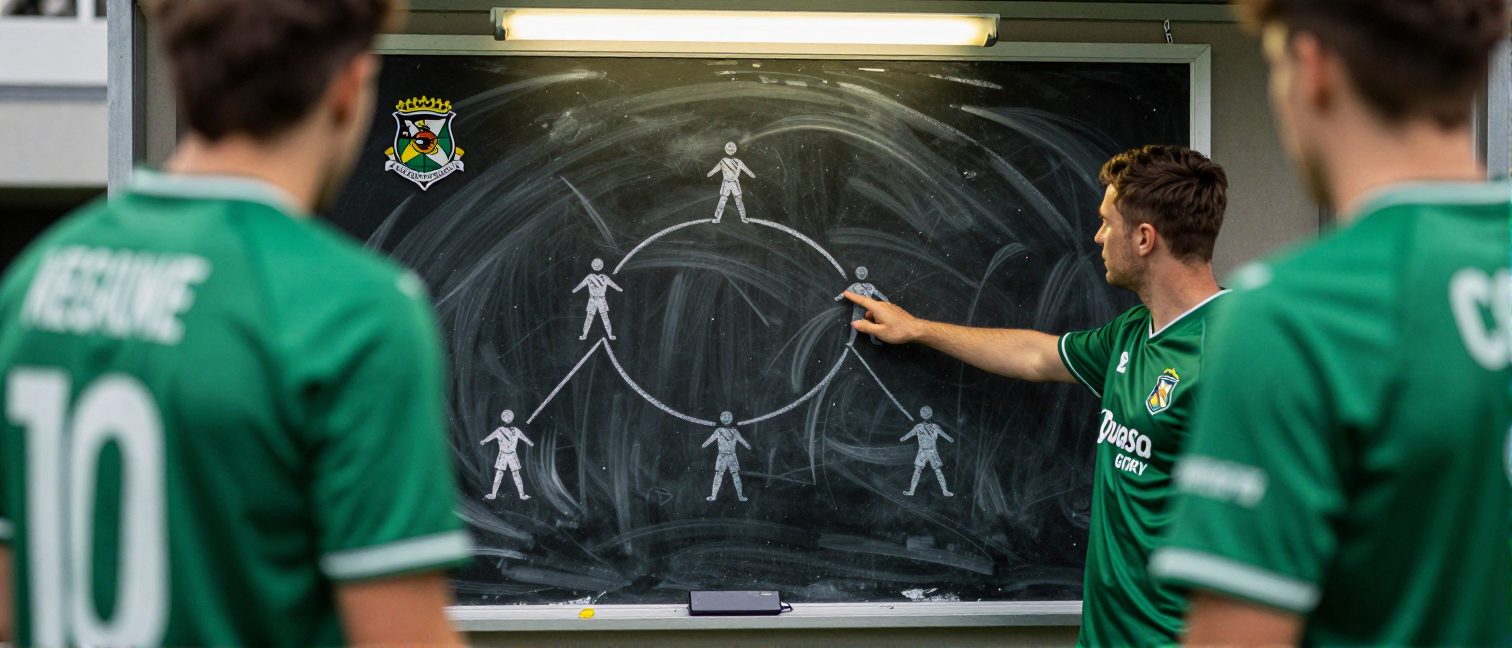
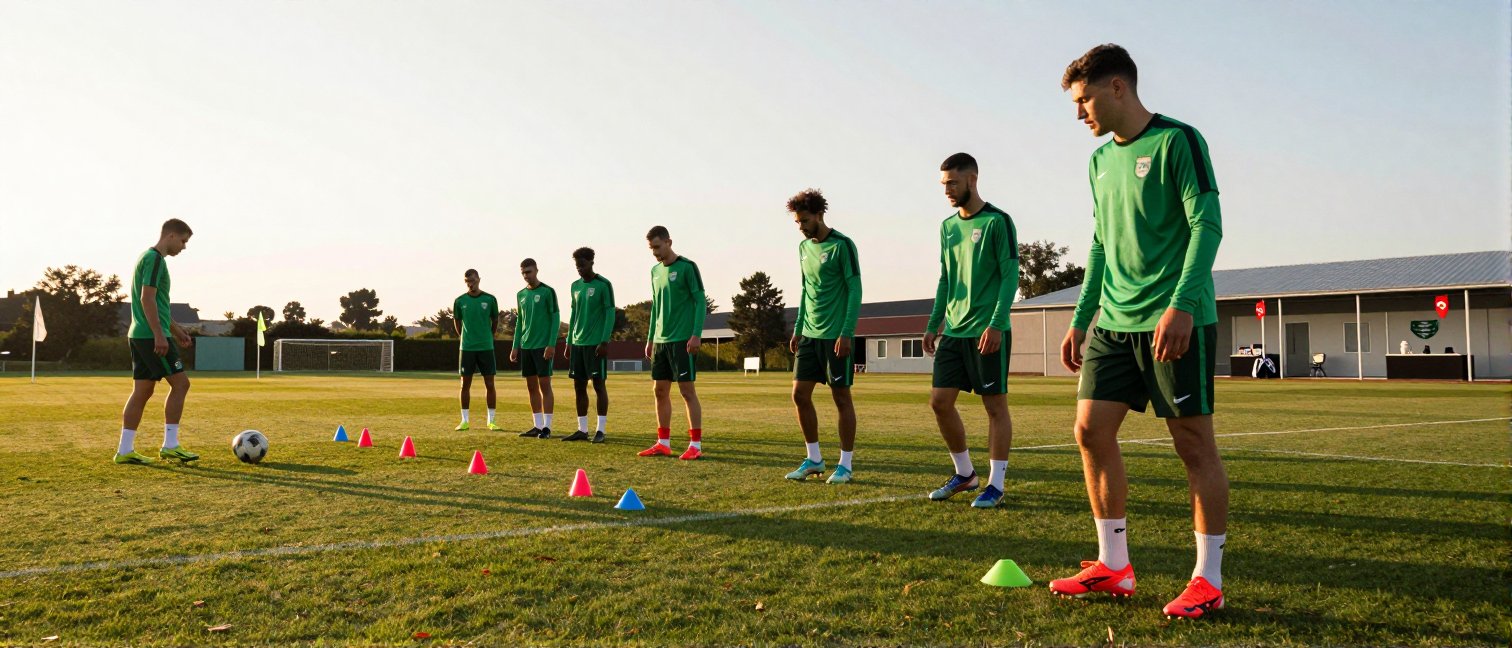
Martínez suggested working on collective mentality in training, focusing on celebration moments after each goal. It’s also crucial for the coach to give more freedom to players like Bernardo Silva to create individual chances that could free the side from tactical rigidity. If Portugal can balance defensive discipline with offensive creativity, joy could return to the stadiums.
The recent 2‑1 win over Croatia still echoes that the potential is there; it just needs the right formula to turn effort into pleasure. The upcoming showdown with Wales will be the definitive test for this shift in attitude.