Portugal's national team boycotted Cristiano Ronaldo during the latest preparation meeting, leaving the star isolated and stirring tension within the squad. The incident came right after the 2‑1 win over Croatia on July 2, 2026, a result that kept the record of 3 wins and 2 draws in the last five games (WWDWD).
What triggered the boycott?
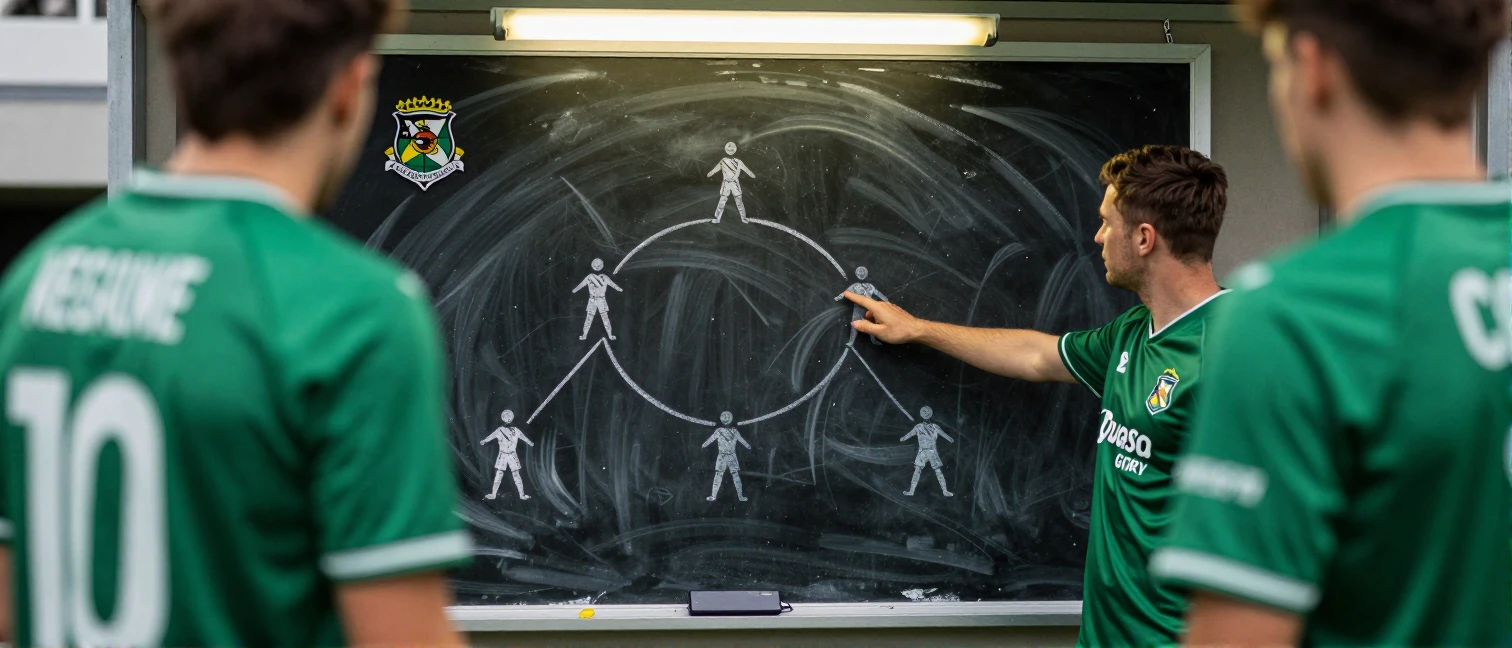
Insiders point to tactical disagreements between Ronaldo and coach Fernando Santos, who demanded changes to the attacking approach. Some players, led by João Félix, believe the captain is blocking the integration of younger talent. The situation escalated when, during a video‑analysis session, the group refused to follow Ronaldo's proposed plan, resulting in an uneasy silence.
How does this impact the World Cup 2026 campaign?
With qualification nearing its end, squad cohesion is vital. The latest result - Portugal 2‑1 Croatia (2026‑07‑02) - showed the attack still works, but a lack of unity could cost crucial points. The recent form (3W‑2D‑0L) suggests a good run, yet confidence may evaporate if the standoff isn’t settled before the next fixture against Wales on September 24, 2026, at home.
Reactions from the protagonists and the press
Ronaldo, speaking to "A Bola", called the episode "an attempt to undermine leadership" and said he is ready to talk. Santos, for his part, defended the decision as "necessary to preserve the collective spirit". Portuguese media are split: some view the move as a warning for needed renewal, while others see it as an unfair attack on the national icon.
What comes next?
The next team meeting, scheduled for the week before the Wales clash, will be decisive. If the group can reconcile differences, Portugal could head into the tournament at full strength. If not, the risk of disunity may translate into under‑performance at the 2026 World Cup. Ronaldo’s future with the side remains uncertain, but the pressure to balance experience and renewal has never been higher.