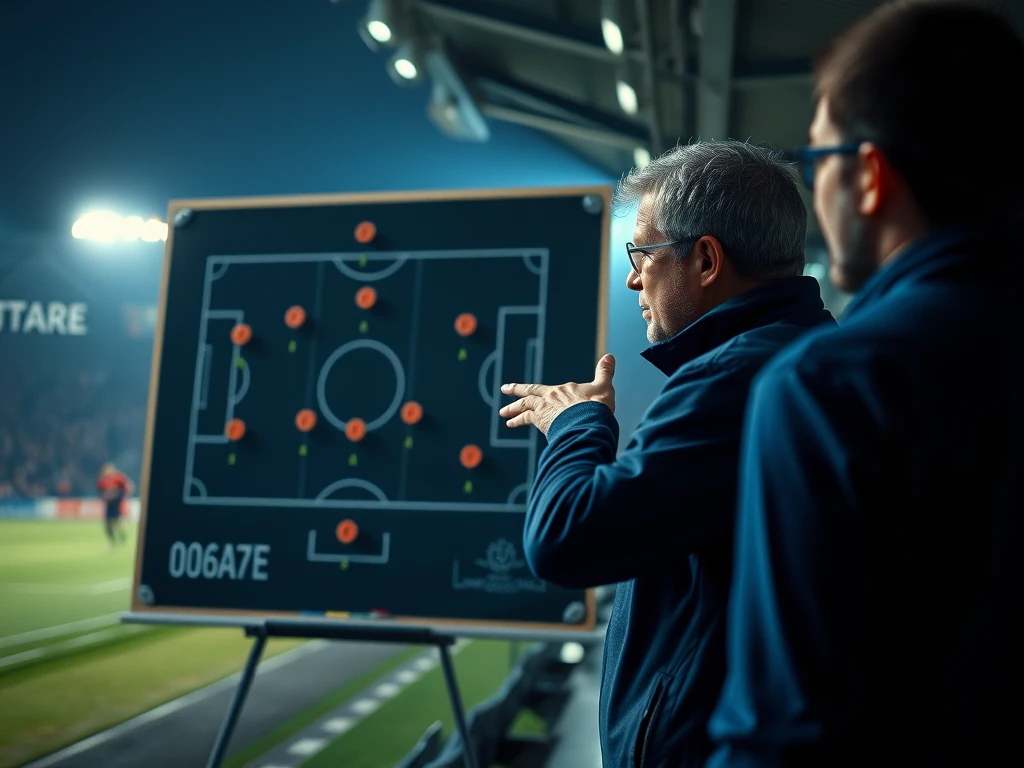
In recent matches, the Seleção Portuguesa has oscillated between moments of brilliance and evident difficulties. While the individual quality of players is undeniable, tactical cohesion and fluidity in play need attention. Let's explore some areas where adjustments can be made to optimize the team's performance, especially as the 2026 World Cup approaches.
1. Defensive Structure
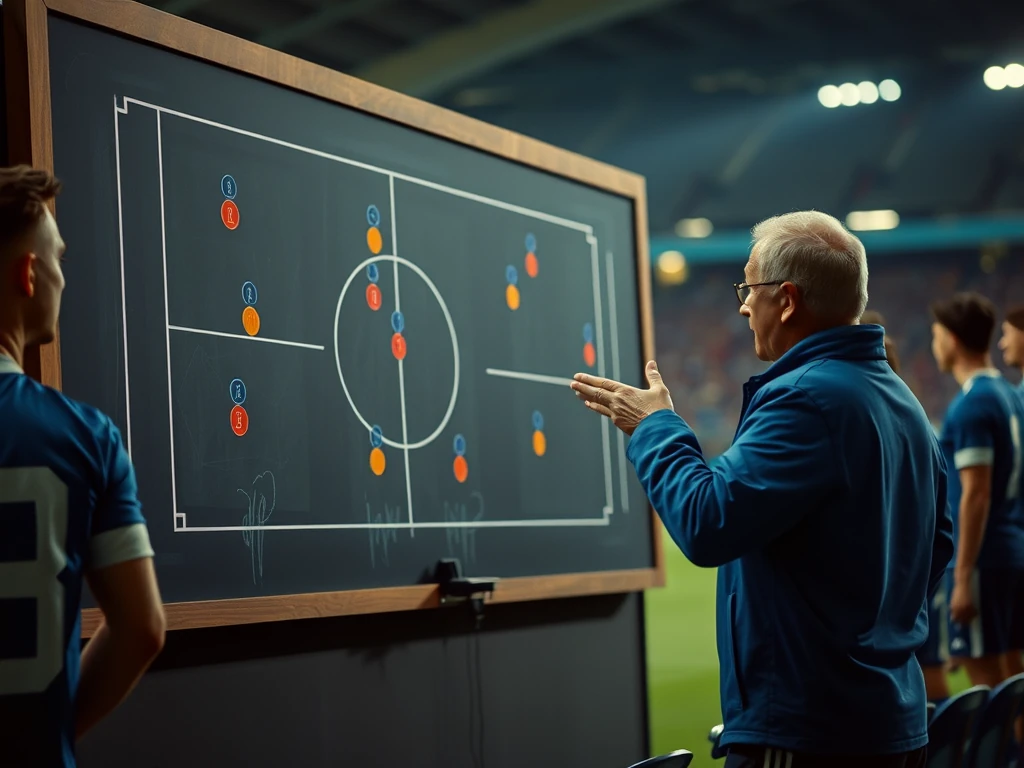
Historically, Portugal has utilized a 4-3-3 formation, but the recent transition to a 4-2-3-1 has shown improved defensive balance. However, the positioning of the midfielders, especially João Palhinha and Ruben Neves, could be more dynamic. Instead of remaining fixed, they should be encouraged to press higher, forcing opponents to make mistakes during ball progression. This change could provide more counter-attack opportunities, leveraging the speed of the wingers.
2. Creativity in Midfield
The Portuguese midfield has struggled with creativity in some matches. Including a more offensive player, like Bernardo Silva, in a central position could increase fluidity and chance creation. Alternatively, a shift back to a 4-3-3 with a creative midfielder pushing forward could help connect defense to attack better, allowing players like Gonçalo Ramos and Diogo Jota to move more freely in the attacking line.
3. Intensity and High Press
One of the main characteristics of modern football is high pressing. The Seleção Portuguesa should adopt a more aggressive approach when pressing opponents in their own midfield. This not only wears down the opposition but also creates opportunities to regain possession in dangerous areas. The defensive work of players like Rafael Guerreiro and João Cancelo on the flanks can be crucial in this aspect, as they need to be ready to join the attacking line quickly after regaining possession.
4. Offensive Alternatives
Reliance on Cristiano Ronaldo for scoring goals is a concern. While his experience is valuable, the team needs to diversify its offensive options. Developing players like João Félix and utilizing Gonçalo Guedes in key moments could offer new dynamics to the attack. Additionally, integrating young talents like António Silva can bring freshness and creativity, helping to unlock opposition defenses.
5. Substitution Adjustments
A frequently overlooked aspect is the substitution strategy. Portugal should consider a more proactive approach, using substitutions not just to preserve energy but also to change the game's rhythm. Players like Matheus Nunes can be introduced to bring new energy and intensity to the midfield, especially in critical moments of the match.
Conclusion
With the 2026 World Cup approaching, the Seleção das Quinas has great potential to be explored. The tactical suggestions presented here can serve as a guide for the coach, helping the team become more cohesive and effective. The key will be the adaptation and implementation of changes that not only highlight individual skills but also create a dynamic and competitive team.