
In recent matches, A Seleção das Quinas has shown a mix of brilliance and confusion, reflecting the need for a deeper tactical analysis. With the 2026 World Cup approaching, it is vital for the team to adjust its approach to ensure a cohesive and effective performance.
Current Tactical Structure
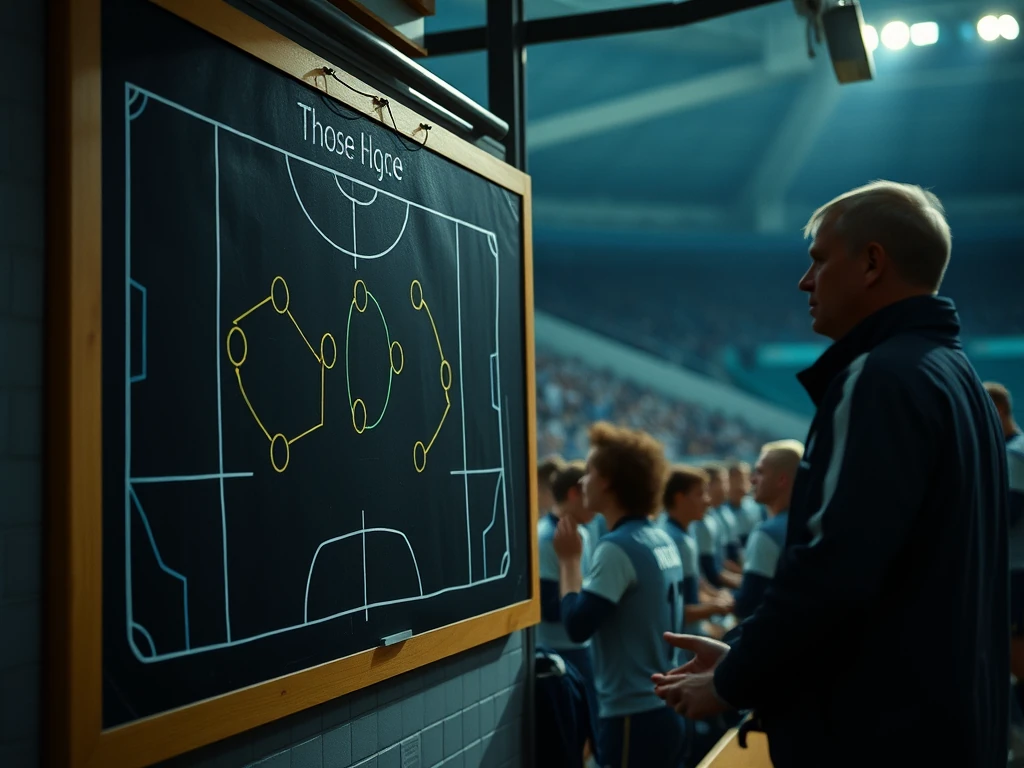
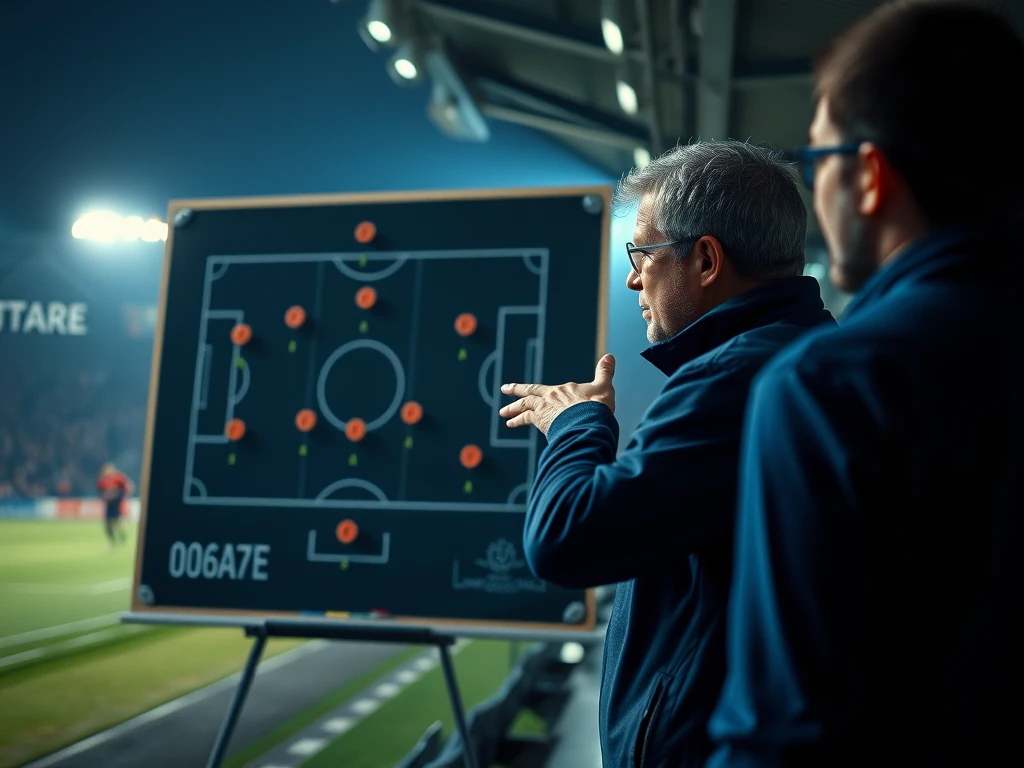
Portugal has predominantly employed a 4-3-3 formation, which offers flexibility in both defense and attack. However, the reliance on a quick transition game has exposed the defense to dangerous counter-attacks, especially against teams that play compactly. The lack of a defensive midfielder who can shield the center-backs and cover the spaces left by the full-backs has been a concern.
Recommended Adjustments
One potential solution would be to adopt a 4-2-3-1 system, which would allow two holding midfielders, such as João Palhinha and Rubén Neves, to provide a solid base in front of the defense. This would give the full-backs more freedom to advance and join the attack while ensuring that the defensive line is not left exposed. Additionally, this formation would help reinforce ball possession in midfield, crucial for controlling the pace of the game.
Exploring New Offensive Options
While the presence of players like Cristiano Ronaldo and Bernardo Silva is undeniable, diversifying the offensive options could be a decisive factor. Incorporating emerging talents such as Gonçalo Ramos or Pedro Gonçalves could add a new dynamic to the attack, allowing the team to adapt to different opposing playing styles. More fluid movement and positional interchange among forwards could destabilize opposing defenses, creating more scoring opportunities.
Strengthening Defensive Cohesion
Defensively, A Seleção das Quinas needs to work on communication and organization. Specific training that simulates pressure situations can help improve the defense's response in critical moments. Including a more experienced defender like Pepe, even in a limited role, could be beneficial in guiding the young talents who are emerging.
Conclusion
With time running out before the 2026 World Cup, A Seleção das Quinas should carefully consider these tactical suggestions. Implementing a more robust system and diversifying offensive options could be key to transforming the team into a feared and respected force in the tournament. Adaptation and evolution are essential, and success will depend on A Seleção das Quinas' ability to reinvent itself and unite around a clear tactical vision.